
Wood vs Composite Pickleball Paddles: Which Should You Buy? (2026)
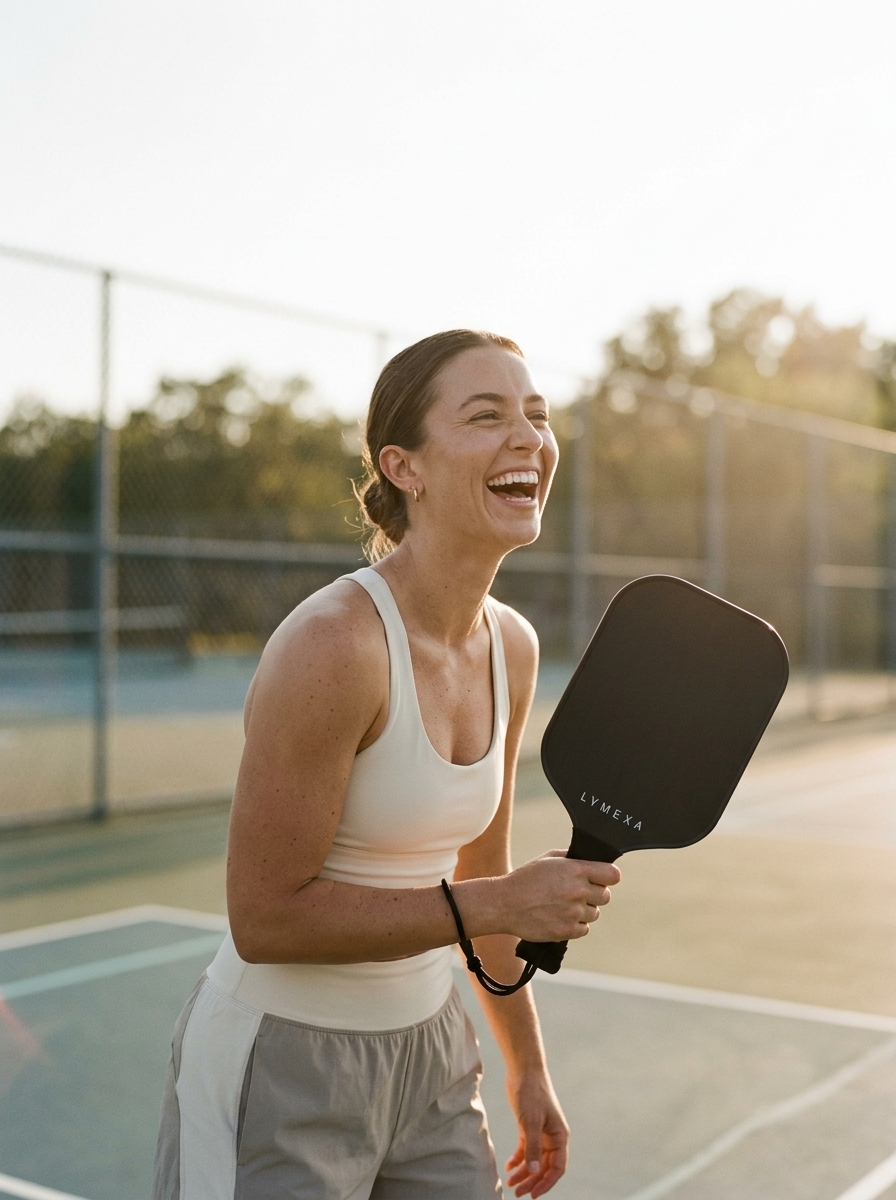
Quick answer: Wood paddles are cheaper, heavier, and more durable; composite paddles are lighter with more spin, control, and pop. Beginners and casual players usually start with wood.
If you're buying your first paddle, the wood-versus-composite question matters more than the brand on it. Here's the honest breakdown — including where a wood set like ours fits, and where it doesn't.
What's the difference between wood and composite pickleball paddles?
It comes down to construction. Wood paddles are a solid piece of wood (or plywood) — simple, heavy, and nearly indestructible. Composite paddles use a polymer honeycomb core with a fiberglass, graphite, or carbon-fiber face — lighter, livelier, and built to grip the ball for spin and control.
What that means on the court:
- Weight: Wood runs heavier (often 8–9+ oz), which adds power but tires your arm faster. Composite paddles are lighter (roughly 7.3–8.3 oz) and easier to maneuver.
- Spin & control: Composite faces grip the ball far better, so you get more spin and touch. Wood is flatter and less forgiving.
- Durability: Wood basically never delaminates — it's the most rugged option. Composite paddles perform better but wear out sooner.
- Price: Wood is the cheapest way to get on court (roughly $20–75 a set). Composite paddles run from about $60 into the hundreds.
| Type | Build | Weight | Spin & control | Price | Best for |
|---|---|---|---|---|---|
| Wood | Solid wood / plywood | Heavier (~8–9+ oz) | Lower | ~$20–75 | Beginners, groups, gifts, budget |
| Composite | Polymer core + fiberglass / graphite / carbon face | Lighter (~7.3–8.3 oz) | Higher | ~$60–250+ | Improving & competitive players |
Prices are approximate as of 2026 and vary by brand and model.
Are wood paddles good for beginners?
Yes — for getting started, they're great. They're cheap, they survive being tossed in a bag or handed around a group, and they let you learn the game without spending $150 to find out if you like pickleball. The trade-off is weight and limited spin, which you won't notice as a beginner but will once your game develops.
This is exactly where Lymexa's The Court Set ($74) fits: two solid-wood paddles, two balls, and a bag — an affordable, durable way to get two people playing. We'll be straight with you: it's a recreational wood set, not a competition composite paddle. If you want an honest first set (or a gift, or paddles for guests), it's a strong pick. If you're already chasing spin and tournament play, you want composite.
Should I upgrade from wood to composite?
Upgrade when you start caring about how you hit, not just whether you can. The usual signs: you're playing weekly, you want more spin on serves and dinks, the wood paddle feels heavy by the end of a session, or you've entered a sanctioned game (most wood paddles aren't certified for tournament play). At that point a mid-range composite is a real step up.
Plenty of players keep a wood set around even after upgrading — for teaching friends, travel, or a spare. Starting on wood and moving to composite later is the normal path, not a mistake.
Frequently asked questions
What's the difference between wood and composite pickleball paddles?
Wood paddles are solid, heavy, durable, and cheap, with less spin. Composite paddles use a polymer core and a fiberglass/graphite/carbon face — lighter, with more spin and control, but pricier and less rugged.
Are wood paddles good for beginners?
Yes. They're inexpensive, nearly indestructible, and perfect for learning the game or outfitting a group, though they offer less spin and run heavier than composite paddles.
When should I upgrade from a wood to a composite paddle?
When you're playing regularly and want more spin and control, when the wood paddle feels heavy, or when you start playing sanctioned games that require a certified composite paddle.
Play and recover — from one place.
Shop the kit →